- Pulse by Capital Stake
- Posts
- Markets 📉, Loans 💰, Energy ⛽
Markets 📉, Loans 💰, Energy ⛽

Another Week, Another Pulse!
While the war continued to escalate in the Middle East, the situation at home remained tense. U.S. President Donald Trump said Washington was “not ready for a deal,” as the United States and Israel carried out strikes on Iran’s Isfahan region, adding to fears that the conflict could widen. Oil prices surged close to $100 per barrel, equity markets wobbled, and Bitcoin climbed to a near two-week high amid heightened global uncertainty.
Back home, security developments kept nerves on edge. Pakistan confirmed that its forces conducted overnight strikes inside Afghanistan, targeting what officials described as militant hideouts and military installations. Meanwhile, two rudimentary drones were intercepted near Rawalpindi using electronic countermeasures — a reminder that regional tensions remain palpable.
Economically, the week started with the State Bank of Pakistan keeping the policy interest rate (See Historical Data) steady at 10.5%, offering short-term stability amid broader uncertainty. Talks with the International Monetary Fund ended without a staff-level agreement on the third review of Pakistan’s $7 billion Extended Fund Facility and the second review of the Resilience and Sustainability Facility, though negotiations will continue.
To ease external pressures, Pakistan has approached Saudi Arabia to convert $5 billion in existing deposits into a 10-year facility and expand deferred-payment oil financing. The IMF has also raised concerns that plans to abolish the Super Tax and reduce taxes on salaried individuals could make it harder to meet revenue targets. At the same time, the Fund urged Pakistan to introduce an asset-based tax scheme targeting traders outside the formal tax system.
Energy remained a central story. Despite rising global oil prices, the government decided to keep domestic petrol and diesel prices unchanged, maintaining petroleum levies. Subsidies of Rs49.63 per litre on petrol and Rs75.05 per litre on diesel will be paid to oil marketing companies through price differential claims — a relief for now, but one that could increase fiscal pressure later. The Petroleum Dealers Association warned of a nationwide strike after Eid al-Fitr if profit margins are not increased.
Globally, energy supply chains remain strained. Saudi Arabia is reportedly activating a decades-old contingency plan to transport oil across desert pipelines to tankers on the Red Sea. Pakistan received three petrol shipments and one diesel cargo to replenish stocks, while kerosene prices rose by Rs40 per litre. The government also approved Rs23 billion in subsidies to stabilize petrol and high-speed diesel prices for the week ending March 20, along with a new weekly oil price review mechanism to protect the industry from high premiums and freight costs.
Finally, tensions in the Middle East are spilling over into agriculture. Global urea prices climbed to $740–$750 per tonne, highlighting vulnerabilities for import-dependent countries like Pakistan. On a lighter note, the government confirmed March 20 and 21 as nationwide holidays for Eid al-Fitr, giving the public some breathing room after a tense week.
Here’s your five minute recap of everything you need to know.
🎧 Tune in to this week’s Pulse:
Youtube - https://youtu.be/HCEUf0wslM0
📅 Key Events This Week!
📌 16th March 2026
🏦 T-Bills Auction
📌 17th March 2026
🌾 Fertilizers Data
📌 18th March 2026
💰 Current Account Balance
📌 19th March 2026
💱 Foreign Exchange Reserves
📌 20th March 2026
📊 Weekly SPI
Note: These dates are tentative and subject to change. Credits: Pulse by Capital Stake
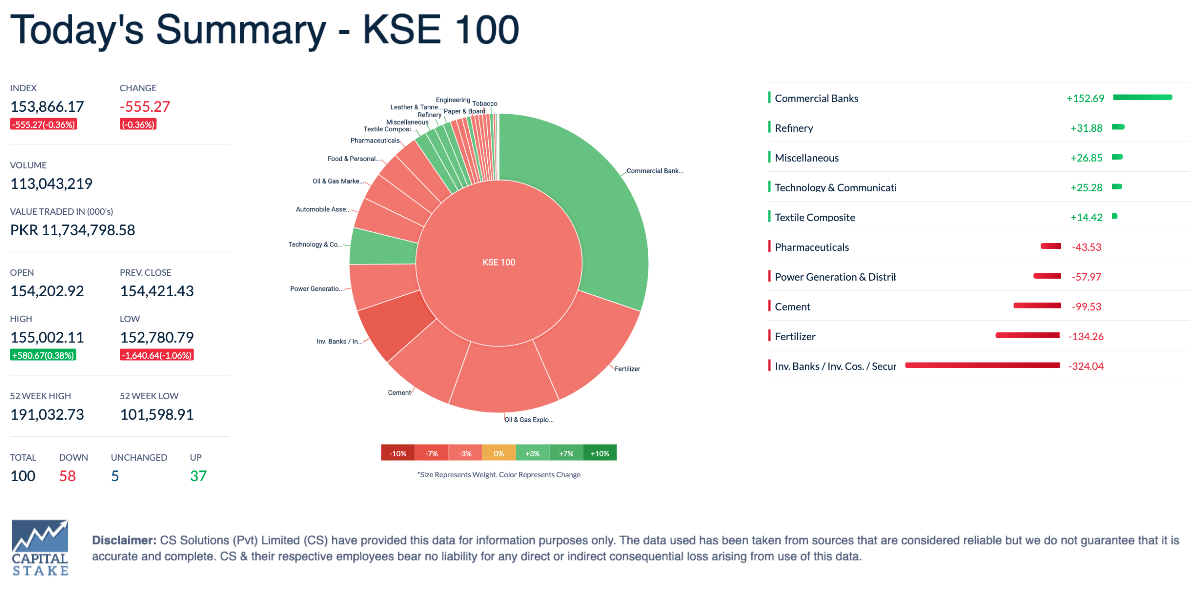
The Pakistan Stock Exchange stumbled last week, with the KSE-100 slipping 2.3% to 153,866 points. Investor nerves were frayed by rising oil prices and growing U.S.-Iran tensions, keeping trading choppy. With regional security worries and macroeconomic uncertainties in play, markets stayed cautious, highlighting just how sensitive Pakistan’s economy remains to global shocks especially as petrol prices jumped by Rs55/litre over the weekend.
SECP raises Sahulat Account limit to Rs3m
The Securities and Exchange Commission of Pakistan (SECP) has raised the investment limit for Sahulat Accounts from Rs1 million to Rs3 million and allowed investors to open accounts with multiple licensed brokers (one per broker). The move is designed to make stock market investing more accessible and flexible for small retail investors, bringing the framework closer to practices in the banking and mutual fund sectors. By increasing the limit and choice of brokers, the SECP hopes to encourage broader participation in equities. Going forward, this could attract more retail investors into the market, potentially boosting trading volumes and deepening overall market liquidity.
Remittances and Car Sales: A Tale of Two Trends
February brought a mixed bag for Pakistan’s economy. Overseas Pakistanis sent home $3.3 billion, up 5% from last year but slightly down from January, with strong support from Saudi Arabia, the UK, and UAE pushing total remittances in 8MFY26 to $26.5 billion. On the flip side, car sales took a breather, dropping 26% from January to 17,121 units though they’re still 42% higher than last February. The slowdown is mostly seasonal, but the strong year-on-year growth shows consumers are cautiously returning, backed by lower interest rates and improving sentiment.
Foreign Loans Keep Flowing
Pakistan secured $5.17 billion in foreign loans during the first seven months of FY26, up from $4.58 billion in the same period last year. Saudi Arabia led the pack, contributing $708 million, most of it through an oil facility on deferred payments. Other bilateral lenders included China, Denmark, France, Japan, South Korea, Kuwait, and the U.S. The inflows provide a crucial buffer for the economy amid ongoing discussions with the IMF, helping the government manage external financing needs while keeping fiscal pressures in check.
SECP Boosts Retirement Security
The Securities and Exchange Commission of Pakistan (SECP) has approved a range of new annuity products aimed at giving retirees a reliable income after retirement. The offerings include life-contingent, deferred, guaranteed, and hybrid annuities, allowing savers to turn their accumulated funds into predictable, ongoing payments. This move addresses a long-standing gap in Pakistan’s retirement framework, where most products focused only on saving, leaving retirees exposed to financial uncertainty amid rising life expectancy and inflation. By strengthening the annuity market, the SECP hopes to provide greater financial security for the country’s aging population.
5G Pilots Set to Roll Out
Pakistan is taking a big step toward faster connectivity. IT Minister Shaza Fatima announced that 5G pilot services will launch in major cities next week, following the release of 480 MHz spectrum to Jazz, Ufone, and Zong, boosting the country’s total spectrum to over 7,500 MHz. The move also comes alongside upgrades to 4G services, and telcos have already begun testing 5G in select areas. Beyond telecom, the government plans to set up an AI Council to guide policy and development, signaling a push toward smarter technology adoption nationwide.
Pakistan Eases Oil Import Rules Amid Global Tensions
To keep fuel supplies steady, the State Bank of Pakistan has temporarily allowed oil imports on a cost, insurance, and freight (CIF) basis for 60 days. The move comes in response to skyrocketing freight rates and restricted war-risk insurance caused by rising tensions in the Middle East, particularly around the Strait of Hormuz. By letting suppliers handle shipping and insurance directly, the government aims to smooth crude and petroleum imports, preventing local shortages while global energy markets remain unpredictable.
🛑 SBP Holds Rates at 10.5%: Time to get out of the Stock Market?
The stock market has been a total rollercoaster lately. 📉🎢 If watching your portfolio swing daily is giving you stress, you’re not alone. Not every investor wants or needs to be a daredevil right now.
While everyone is distracted by the red screens in the stock market, the State Bank of Pakistan (SBP) just kept the policy rate steady at 10.5%.
This is actually great news for anyone looking for Shariah-Compliant Money Market Funds. You get stability, you get Halal returns, and you don’t have to check your app every 5 minutes to see if your portfolio crashed. 🌙
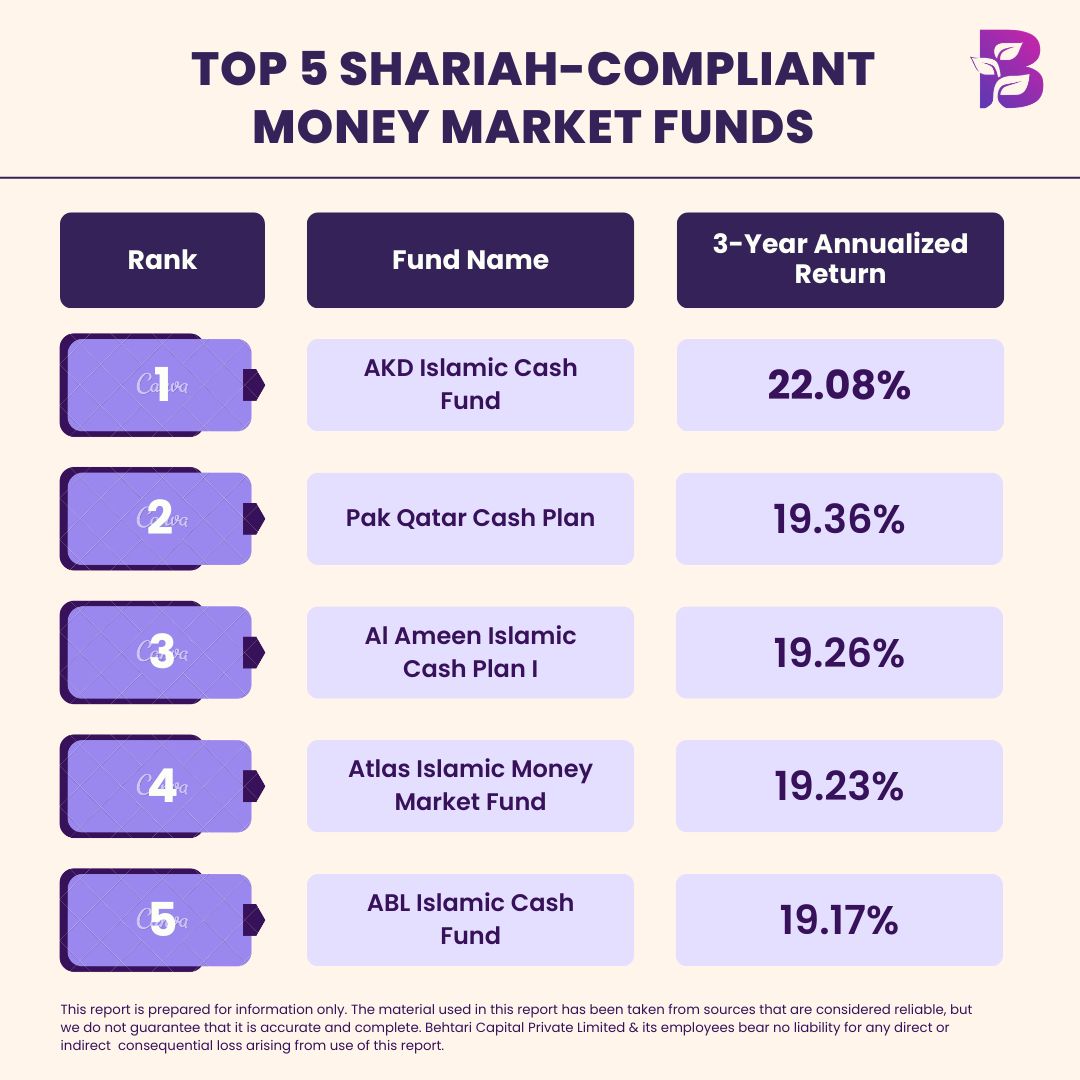
We crunched the numbers for the Top 5 Shariah Money Market Funds based on their 3-Year Annualized Returns:
🏆 The Top Performers:
AKD Islamic Cash Fund
Pak Qatar Cash Plan
Al Ameen Islamic Cash Plan I
Atlas Islamic Money Market Fund
ABL Islamic Cash Fund
🔎 Stop digging through PDFs.
The "best" fund isn't the same for everyone. Some of you want daily payouts, while others just want the lowest possible risk.
Instead of getting confused by technical jargon, we’ve put everything in one place for you. You can now filter, compare, and find the exact Shariah fund that fits your vibe.
Find your perfect match here:
💬 The Big Debate:
In this 10.5% rate environment, are you playing Defense (Safety First) or Offense (Chasing Stocks)?
Get to Know More About Our Products
Behtari – Your all-in-one mutual funds investment App.
StockIntel – Your comprehensive PSX Trading and Analytics Platform.
Data Solutions – Unlock the power of data for smarter, more informed investing decisions.
Wealth Management – Smart wealth solutions for modern investors
Today’s Pulse by Capital Stake is brought to you by Hubab Irfan